Buy eprivacy-verordnung.eu ?
We are moving the project
eprivacy-verordnung.eu .
Are you interested in purchasing the domain
eprivacy-verordnung.eu ?
domain@kv-gmbh.de · 0541-91531010
Buy eprivacy-verordnung.eu ?
What level of education is required for Forensics?
To work in the field of forensics, a minimum of a bachelor's degree in a relevant field such as forensic science, biology, chemistry, or criminal justice is typically required. However, many positions in forensics may require a master's degree or even a Ph.D., especially for more specialized roles or for advancement in the field. Additionally, gaining practical experience through internships or on-the-job training is also important for a career in forensics. **
How can I do an internship in forensics?
To do an internship in forensics, you can start by researching and reaching out to organizations or agencies that offer internships in the field of forensics, such as law enforcement agencies, crime labs, or forensic science research institutions. You can also check with your college or university's career services office for internship opportunities in forensics. Networking with professionals in the field and attending career fairs or industry events can also help you find internship opportunities. Additionally, gaining relevant coursework or experience in forensic science, criminal justice, or related fields can make you a more competitive candidate for forensics internships. **

Similar search terms for Forensics
Top-Angebote
Products related to Forensics:
-
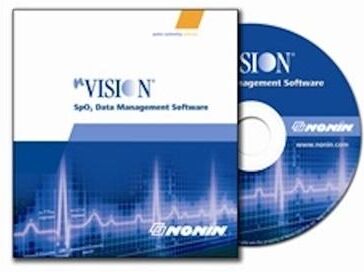
Nonin Medical nVision Data Management Software for Oximetry Screening""" nVision SpO2 Data Management Software Nonin's innovation in pulse oximetry has led to the development of an easy oximetry reporting solution nVISION. Designed to provide effortless viewing, professional analysis, report generation and reliable..."441,00 $*Shipping: 0,00 $Secure redirect to the provider
-
What is the difference between forensics and criminalistics?
Forensics is the application of scientific methods and techniques to solve crimes and legal issues, while criminalistics is a branch of forensic science that focuses specifically on the analysis of physical evidence in criminal investigations. Forensics encompasses a broader range of disciplines, including DNA analysis, toxicology, and crime scene investigation, while criminalistics is more narrowly focused on the collection, preservation, and analysis of physical evidence such as fingerprints, ballistics, and trace evidence. In summary, forensics is the overarching field that includes criminalistics as a specialized area of study within it. **
-
Where can I apply for an internship in forensics?
You can apply for internships in forensics at various places such as government agencies like the Federal Bureau of Investigation (FBI), local law enforcement agencies, forensic laboratories, and private forensic consulting firms. Additionally, many universities and research institutions offer internships in forensic science and related fields. It's important to research and reach out to specific organizations or institutions that align with your interests and career goals in forensics. Networking with professionals in the field and utilizing online job boards and internship databases can also help you find opportunities. **
-
What is the data protection regulation?
Data protection regulation refers to laws and regulations that govern the collection, use, storage, and sharing of personal data. These regulations are designed to protect individuals' privacy and ensure that their personal information is handled responsibly by organizations. Data protection regulations often include requirements for obtaining consent for data collection, implementing security measures to protect data, and providing individuals with the right to access and control their personal information. Compliance with data protection regulations is important for businesses and organizations to avoid legal and financial consequences for mishandling personal data. **
-
How can one transition from a biomedical analyst to forensics?
To transition from a biomedical analyst to forensics, one could consider pursuing additional education or training in forensic science or a related field. This could involve obtaining a certification or a master's degree in forensic science. It may also be beneficial to gain experience through internships or volunteer opportunities in forensic labs or with law enforcement agencies. Networking with professionals in the field of forensics and attending relevant conferences or workshops can also help in making the transition. **
How can I study biology and then go into forensics?
To study biology and then go into forensics, you can start by pursuing a degree in biology or a related field such as forensic science. It is important to take courses in biology, chemistry, and other relevant sciences to build a strong foundation. You can then specialize in forensic biology or forensic science through additional coursework or a graduate program. Gaining practical experience through internships or research opportunities in forensic labs can also be beneficial in preparing for a career in forensics. **
What is the course of study for Natural Science Forensics?
The course of study for Natural Science Forensics typically includes a combination of biology, chemistry, physics, and forensic science courses. Students will learn about the scientific methods used in crime scene investigation, evidence collection and analysis, and how to apply these techniques in real-world scenarios. They may also study topics such as DNA analysis, toxicology, ballistics, and forensic anthropology. Hands-on laboratory work and internships are often a key component of the program to provide practical experience in the field. **
Top-Angebote
Products related to Forensics:
-
United Charger & Smartwatch Data Cable Replacement Charger & Smartwatch Data Cable ReplacementKeep your Garmin 920XT charger ready whenever adventure calls. Designed for athletes, runners, and fitness enthusiasts, this replacement charger ensures your Forerunner 920XT stays powered and connected. Its durable smartwatch charging cable offers...39,97 $*Shipping: 0,00 $Secure redirect to the provider
-
EaseUS Data Recovery Wizard 18 ProEaseUS Partition Master 18.0 Professional is a powerful and versatile tool for partition management on Windows systems. Designed for home and professional users, this software offers a range of advanced features to optimise hard disk usage and improve system performance. Key Features Complete Partition Management: Create, resize, move, merge, delete and hide partitions with ease. EaseUS Partition Master allows you to manage partitions without data loss, ensuring a smooth and secure experience. Disk Cloning: Clone entire disks or individual partitions to easily transfer data from one drive to another. This function is especially useful when upgrading to new hard disks or SSDs. Partition Recovery: Recovers partitions lost or damaged as a result of accidental deletions, Windows upgrades or virus attacks. The recovery function is quick and easy, allowing data to be restored in just a few clicks. Performance Optimisation: Supports 4K alignment of SSD partitions to improve read and write performance, ensuring your system performs at its best. Advanced Conversion: Convert disks and partitions between MBR and GPT without formatting, making it easy to upgrade to Windows 11 and manage large disks. File System Check and Repair: Quickly checks the file system for errors and bad sectors, restoring disk functionality efficiently. Bootable Media Creation: Create WinPE bootable media to solve system boot problems or perform partition management tasks without booting Windows. Intuitive Interface: The user interface is designed to be simple and intuitive, making access to all features easy even for novice users. Why Choose EaseUS Partition Master 18.0 Professional? EaseUS Partition Master 18.0 Professional stands out for its combination of advanced functionality and ease of use. It is an ideal solution for anyone who wants to manage their disks effectively, whether they are home users or IT professionals. Competitively priced and with free updates for life, it is an excellent investment for optimising data management. Choose EaseUS Partition Master 18.0 Professional for stress-free partition management and to ensure that your system is always running at peak capacity. Don't let disk management become a hassle; trust EaseUS for a complete and reliable solution.55,90 £*Shipping: 0,00 £Secure redirect to the provider
-
Nonin Medical nVision Data Management Software for Oximetry Screening""" nVision SpO2 Data Management Software Nonin's innovation in pulse oximetry has led to the development of an easy oximetry reporting solution nVISION. Designed to provide effortless viewing, professional analysis, report generation and reliable..."441,00 $*Shipping: 0,00 $Secure redirect to the provider
-
What level of education is required for Forensics?
To work in the field of forensics, a minimum of a bachelor's degree in a relevant field such as forensic science, biology, chemistry, or criminal justice is typically required. However, many positions in forensics may require a master's degree or even a Ph.D., especially for more specialized roles or for advancement in the field. Additionally, gaining practical experience through internships or on-the-job training is also important for a career in forensics. **
-
How can I do an internship in forensics?
To do an internship in forensics, you can start by researching and reaching out to organizations or agencies that offer internships in the field of forensics, such as law enforcement agencies, crime labs, or forensic science research institutions. You can also check with your college or university's career services office for internship opportunities in forensics. Networking with professionals in the field and attending career fairs or industry events can also help you find internship opportunities. Additionally, gaining relevant coursework or experience in forensic science, criminal justice, or related fields can make you a more competitive candidate for forensics internships. **
-
What is the difference between forensics and criminalistics?
Forensics is the application of scientific methods and techniques to solve crimes and legal issues, while criminalistics is a branch of forensic science that focuses specifically on the analysis of physical evidence in criminal investigations. Forensics encompasses a broader range of disciplines, including DNA analysis, toxicology, and crime scene investigation, while criminalistics is more narrowly focused on the collection, preservation, and analysis of physical evidence such as fingerprints, ballistics, and trace evidence. In summary, forensics is the overarching field that includes criminalistics as a specialized area of study within it. **
-
Where can I apply for an internship in forensics?
You can apply for internships in forensics at various places such as government agencies like the Federal Bureau of Investigation (FBI), local law enforcement agencies, forensic laboratories, and private forensic consulting firms. Additionally, many universities and research institutions offer internships in forensic science and related fields. It's important to research and reach out to specific organizations or institutions that align with your interests and career goals in forensics. Networking with professionals in the field and utilizing online job boards and internship databases can also help you find opportunities. **
Similar search terms for Forensics
-
What is the data protection regulation?
Data protection regulation refers to laws and regulations that govern the collection, use, storage, and sharing of personal data. These regulations are designed to protect individuals' privacy and ensure that their personal information is handled responsibly by organizations. Data protection regulations often include requirements for obtaining consent for data collection, implementing security measures to protect data, and providing individuals with the right to access and control their personal information. Compliance with data protection regulations is important for businesses and organizations to avoid legal and financial consequences for mishandling personal data. **
-
How can one transition from a biomedical analyst to forensics?
To transition from a biomedical analyst to forensics, one could consider pursuing additional education or training in forensic science or a related field. This could involve obtaining a certification or a master's degree in forensic science. It may also be beneficial to gain experience through internships or volunteer opportunities in forensic labs or with law enforcement agencies. Networking with professionals in the field of forensics and attending relevant conferences or workshops can also help in making the transition. **
-
How can I study biology and then go into forensics?
To study biology and then go into forensics, you can start by pursuing a degree in biology or a related field such as forensic science. It is important to take courses in biology, chemistry, and other relevant sciences to build a strong foundation. You can then specialize in forensic biology or forensic science through additional coursework or a graduate program. Gaining practical experience through internships or research opportunities in forensic labs can also be beneficial in preparing for a career in forensics. **
-
What is the course of study for Natural Science Forensics?
The course of study for Natural Science Forensics typically includes a combination of biology, chemistry, physics, and forensic science courses. Students will learn about the scientific methods used in crime scene investigation, evidence collection and analysis, and how to apply these techniques in real-world scenarios. They may also study topics such as DNA analysis, toxicology, ballistics, and forensic anthropology. Hands-on laboratory work and internships are often a key component of the program to provide practical experience in the field. **
* All prices are inclusive of VAT and, if applicable, plus shipping costs. The offer information is based on the details provided by the respective shop and is updated through automated processes. Real-time updates do not occur, so deviations can occur in individual cases. ** Note: Parts of this content were created by AI.