Buy eprivacy-verordnung.eu ?
We are moving the project
eprivacy-verordnung.eu .
Are you interested in purchasing the domain
eprivacy-verordnung.eu ?
domain@kv-gmbh.de · 0541-91531010
Buy eprivacy-verordnung.eu ?
What is passive immunization?
Passive immunization is a method of providing temporary immunity to a person by administering pre-formed antibodies rather than stimulating the individual's immune system to produce its own antibodies. This can be done by injecting antibodies obtained from either human or animal sources, or through the use of monoclonal antibodies. Passive immunization is often used for immediate protection against specific pathogens, such as in cases of exposure to a virus or toxin, or for individuals who are unable to mount an immune response on their own. **
What is the basic immunization?
Basic immunization refers to a series of vaccines that are recommended for all individuals to protect them from various infectious diseases. These vaccines are typically given during childhood and provide immunity against diseases such as measles, polio, diphtheria, tetanus, pertussis, and hepatitis B. Basic immunization schedules may vary slightly from country to country, but they generally include a series of doses given at specific ages to ensure optimal protection. It is important to follow the recommended immunization schedule to protect both individuals and communities from preventable diseases. **


Similar search terms for Immunization
Top-Angebote
Products related to Immunization:
-
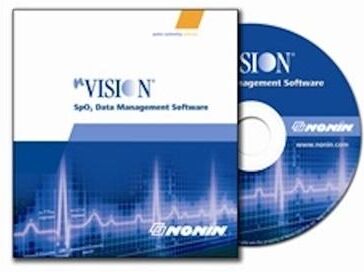
Nonin Medical nVision Data Management Software for Oximetry Screening""" nVision SpO2 Data Management Software Nonin's innovation in pulse oximetry has led to the development of an easy oximetry reporting solution nVISION. Designed to provide effortless viewing, professional analysis, report generation and reliable..."441,00 $*Shipping: 0,00 $Secure redirect to the provider



-
What is passive immunization through vaccinations?
Passive immunization through vaccinations involves the administration of pre-formed antibodies to provide immediate protection against a specific pathogen. This differs from active immunization, where the body produces its own antibodies in response to a vaccine. Passive immunization is typically used in situations where immediate protection is needed, such as in the case of exposure to a deadly virus or for individuals with compromised immune systems. While passive immunization provides immediate protection, it is temporary and does not confer long-lasting immunity like active immunization. **
-
Can you briefly explain active immunization?
Active immunization is a process by which a person's immune system is stimulated to produce an immune response against a specific pathogen. This is typically achieved through the administration of a vaccine containing either weakened or inactivated forms of the pathogen or its antigens. The immune system then recognizes these antigens as foreign and produces antibodies to target and eliminate the pathogen if the person is exposed to it in the future. Active immunization results in the development of immunological memory, providing long-lasting protection against the targeted pathogen. **
-
What is active and passive immunization?
Active immunization involves introducing a weakened or inactive form of a pathogen into the body to stimulate the immune system to produce antibodies and create immunity against the pathogen. This can be achieved through vaccines. Passive immunization, on the other hand, involves the direct transfer of pre-formed antibodies to an individual, providing immediate protection against a specific pathogen. This can be done through the administration of antibodies obtained from either human or animal sources. Both active and passive immunization are important strategies in preventing and treating infectious diseases. **
-
At what point is passive immunization useful?
Passive immunization is useful when an individual is at high risk of developing a particular infection or disease, such as after exposure to a pathogen or in cases where active immunization is not possible. It provides immediate protection by introducing pre-formed antibodies into the body, offering temporary immunity. Passive immunization is also beneficial for individuals with weakened immune systems who may not respond well to vaccines. Overall, passive immunization is a valuable tool in preventing and treating certain infectious diseases. **


What is the basic immunization for horses?
The basic immunization for horses includes vaccinations for diseases such as tetanus, Eastern and Western equine encephalomyelitis, West Nile virus, and rabies. These vaccinations help protect horses from potentially deadly diseases and are an important part of their overall health care. It is important to work with a veterinarian to develop a vaccination schedule that is appropriate for the individual horse based on its age, health status, and risk of exposure to specific diseases. **
When do you receive the immunization certificate?
You typically receive the immunization certificate after completing the required vaccinations and providing proof of immunization to the relevant authorities. This may vary depending on the specific immunization requirements and the regulations of the country or organization issuing the certificate. In some cases, the certificate may be issued immediately after receiving the final vaccination, while in others, there may be a processing period before the certificate is provided. It's important to follow the specific guidelines and procedures for obtaining the immunization certificate to ensure compliance with any travel or health regulations. **
Top-Angebote
Products related to Immunization:
-
United Charger & Smartwatch Data Cable Replacement Charger & Smartwatch Data Cable ReplacementKeep your Garmin 920XT charger ready whenever adventure calls. Designed for athletes, runners, and fitness enthusiasts, this replacement charger ensures your Forerunner 920XT stays powered and connected. Its durable smartwatch charging cable offers...39,97 $*Shipping: 0,00 $Secure redirect to the provider
-
EaseUS Data Recovery Wizard 18 ProEaseUS Partition Master 18.0 Professional is a powerful and versatile tool for partition management on Windows systems. Designed for home and professional users, this software offers a range of advanced features to optimise hard disk usage and improve system performance. Key Features Complete Partition Management: Create, resize, move, merge, delete and hide partitions with ease. EaseUS Partition Master allows you to manage partitions without data loss, ensuring a smooth and secure experience. Disk Cloning: Clone entire disks or individual partitions to easily transfer data from one drive to another. This function is especially useful when upgrading to new hard disks or SSDs. Partition Recovery: Recovers partitions lost or damaged as a result of accidental deletions, Windows upgrades or virus attacks. The recovery function is quick and easy, allowing data to be restored in just a few clicks. Performance Optimisation: Supports 4K alignment of SSD partitions to improve read and write performance, ensuring your system performs at its best. Advanced Conversion: Convert disks and partitions between MBR and GPT without formatting, making it easy to upgrade to Windows 11 and manage large disks. File System Check and Repair: Quickly checks the file system for errors and bad sectors, restoring disk functionality efficiently. Bootable Media Creation: Create WinPE bootable media to solve system boot problems or perform partition management tasks without booting Windows. Intuitive Interface: The user interface is designed to be simple and intuitive, making access to all features easy even for novice users. Why Choose EaseUS Partition Master 18.0 Professional? EaseUS Partition Master 18.0 Professional stands out for its combination of advanced functionality and ease of use. It is an ideal solution for anyone who wants to manage their disks effectively, whether they are home users or IT professionals. Competitively priced and with free updates for life, it is an excellent investment for optimising data management. Choose EaseUS Partition Master 18.0 Professional for stress-free partition management and to ensure that your system is always running at peak capacity. Don't let disk management become a hassle; trust EaseUS for a complete and reliable solution.55,90 £*Shipping: 0,00 £Secure redirect to the provider
-
Nonin Medical nVision Data Management Software for Oximetry Screening""" nVision SpO2 Data Management Software Nonin's innovation in pulse oximetry has led to the development of an easy oximetry reporting solution nVISION. Designed to provide effortless viewing, professional analysis, report generation and reliable..."441,00 $*Shipping: 0,00 $Secure redirect to the provider
-
What is passive immunization?
Passive immunization is a method of providing temporary immunity to a person by administering pre-formed antibodies rather than stimulating the individual's immune system to produce its own antibodies. This can be done by injecting antibodies obtained from either human or animal sources, or through the use of monoclonal antibodies. Passive immunization is often used for immediate protection against specific pathogens, such as in cases of exposure to a virus or toxin, or for individuals who are unable to mount an immune response on their own. **
-
What is the basic immunization?
Basic immunization refers to a series of vaccines that are recommended for all individuals to protect them from various infectious diseases. These vaccines are typically given during childhood and provide immunity against diseases such as measles, polio, diphtheria, tetanus, pertussis, and hepatitis B. Basic immunization schedules may vary slightly from country to country, but they generally include a series of doses given at specific ages to ensure optimal protection. It is important to follow the recommended immunization schedule to protect both individuals and communities from preventable diseases. **
-
What is passive immunization through vaccinations?
Passive immunization through vaccinations involves the administration of pre-formed antibodies to provide immediate protection against a specific pathogen. This differs from active immunization, where the body produces its own antibodies in response to a vaccine. Passive immunization is typically used in situations where immediate protection is needed, such as in the case of exposure to a deadly virus or for individuals with compromised immune systems. While passive immunization provides immediate protection, it is temporary and does not confer long-lasting immunity like active immunization. **
-
Can you briefly explain active immunization?
Active immunization is a process by which a person's immune system is stimulated to produce an immune response against a specific pathogen. This is typically achieved through the administration of a vaccine containing either weakened or inactivated forms of the pathogen or its antigens. The immune system then recognizes these antigens as foreign and produces antibodies to target and eliminate the pathogen if the person is exposed to it in the future. Active immunization results in the development of immunological memory, providing long-lasting protection against the targeted pathogen. **
Similar search terms for Immunization
-
What is active and passive immunization?
Active immunization involves introducing a weakened or inactive form of a pathogen into the body to stimulate the immune system to produce antibodies and create immunity against the pathogen. This can be achieved through vaccines. Passive immunization, on the other hand, involves the direct transfer of pre-formed antibodies to an individual, providing immediate protection against a specific pathogen. This can be done through the administration of antibodies obtained from either human or animal sources. Both active and passive immunization are important strategies in preventing and treating infectious diseases. **
-
At what point is passive immunization useful?
Passive immunization is useful when an individual is at high risk of developing a particular infection or disease, such as after exposure to a pathogen or in cases where active immunization is not possible. It provides immediate protection by introducing pre-formed antibodies into the body, offering temporary immunity. Passive immunization is also beneficial for individuals with weakened immune systems who may not respond well to vaccines. Overall, passive immunization is a valuable tool in preventing and treating certain infectious diseases. **
-
What is the basic immunization for horses?
The basic immunization for horses includes vaccinations for diseases such as tetanus, Eastern and Western equine encephalomyelitis, West Nile virus, and rabies. These vaccinations help protect horses from potentially deadly diseases and are an important part of their overall health care. It is important to work with a veterinarian to develop a vaccination schedule that is appropriate for the individual horse based on its age, health status, and risk of exposure to specific diseases. **
-
When do you receive the immunization certificate?
You typically receive the immunization certificate after completing the required vaccinations and providing proof of immunization to the relevant authorities. This may vary depending on the specific immunization requirements and the regulations of the country or organization issuing the certificate. In some cases, the certificate may be issued immediately after receiving the final vaccination, while in others, there may be a processing period before the certificate is provided. It's important to follow the specific guidelines and procedures for obtaining the immunization certificate to ensure compliance with any travel or health regulations. **
* All prices are inclusive of VAT and, if applicable, plus shipping costs. The offer information is based on the details provided by the respective shop and is updated through automated processes. Real-time updates do not occur, so deviations can occur in individual cases. ** Note: Parts of this content were created by AI.